How POS Software Improves Business Efficiency | Complete Guide

Running a business efficiently is one of the biggest challenges for retailers today. From managing inventory and tracking sales to handling customers and employees, business owners often struggle to keep everything organized manually.
This is where POS software (Point of Sale software) becomes a game-changing solution.
Modern POS systems do much more than generate bills. They streamline operations, automate repetitive tasks, reduce errors, and help businesses grow faster. Whether you own a retail shop, grocery store, restaurant, pharmacy, or multi-store business, POS software can dramatically improve your business efficiency.
In this article, we’ll explain how POS software improves business efficiency and why every modern business should invest in a reliable POS system.
What is POS Software?
A POS (Point of Sale) system is software used to manage sales transactions, inventory, customer information, and business reports in one centralized platform.
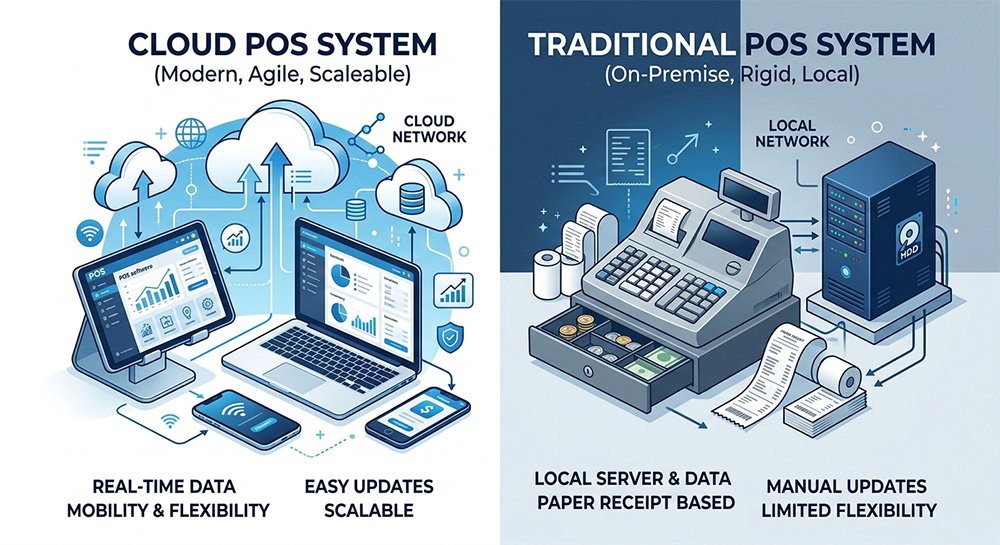
Modern cloud-based POS systems allow businesses to:
- Process sales faster
- Manage inventory in real time
- Track employee performance
- Generate accurate reports
- Access business data from anywhere
If you’re new to POS systems, read our complete guide on What is POS Software?.
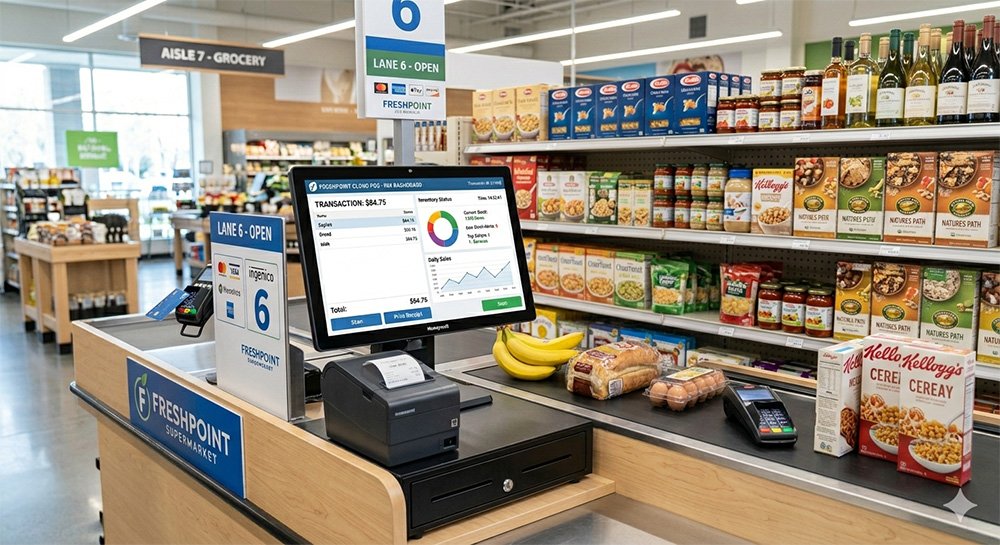
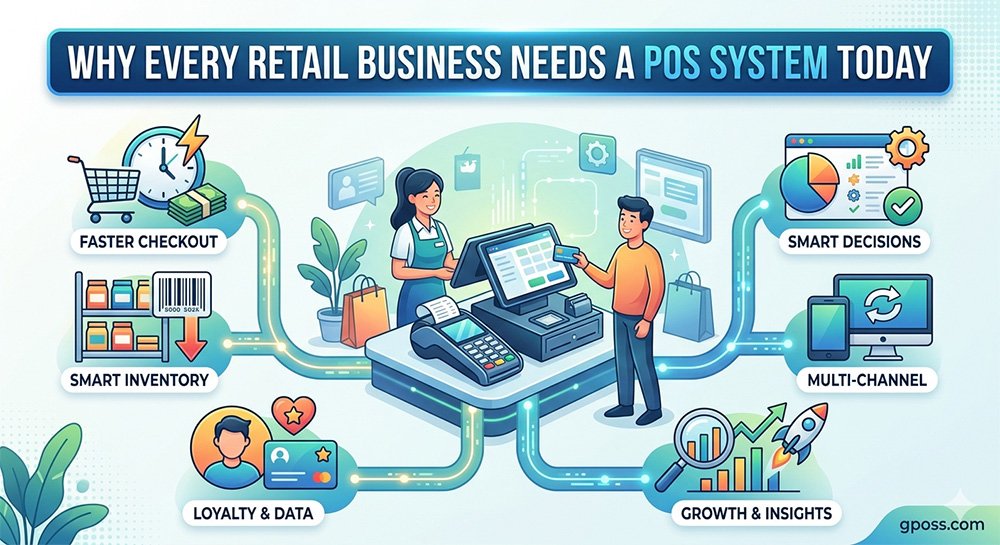
1. Faster Billing and Checkout Process
One of the biggest ways POS software improves efficiency is by speeding up the checkout process.
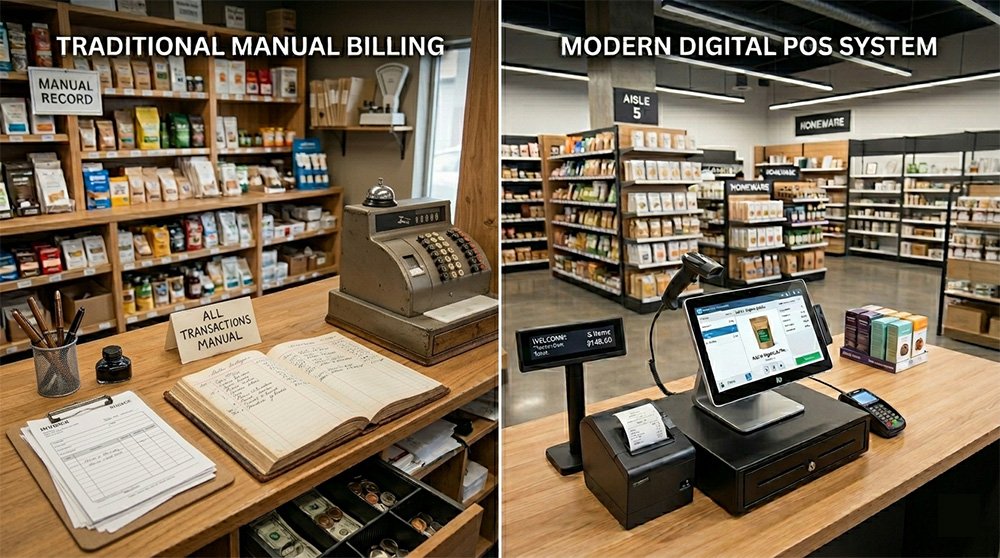
Traditional manual billing:
- Takes more time
- Creates long queues
- Increases calculation mistakes
With POS software, businesses can:
- Scan barcodes instantly
- Generate invoices automatically
- Accept multiple payment methods
This creates a smoother customer experience and allows staff to serve more customers in less time.
👉 Related Article: Top 10 Benefits of Using POS Software for Retail Stores
2. Real-Time Inventory Management
Inventory management is critical for every retail business.
Without proper tracking, businesses often face:
- Overstocking
- Stock shortages
- Lost inventory
- Dead stock problems
POS software automatically updates inventory whenever a sale is made.
Benefits include:
- Real-time stock visibility
- Low-stock alerts
- Product movement tracking
- Easier purchasing decisions
Efficient inventory management reduces losses and improves operational efficiency significantly.
👉 Learn More: Inventory Management System: Why It Matters for Retail
3. Accurate Business Reporting
Manual business reporting takes time and is often inaccurate.
POS software generates automated reports such as:
- Daily sales reports
- Profit and loss reports
- Best-selling products
- Employee sales reports
With accurate business data, owners can make smarter decisions faster.
Instead of guessing, businesses can identify:
- Which products perform best
- Which branches generate more revenue
- Which hours have peak sales
This improves both efficiency and profitability.
4. Reduced Human Errors
Human errors are common in manual systems.
Mistakes in:
- Pricing
- Calculations
- Inventory entries
- Sales records
can lead to financial losses.
POS software automates calculations and transaction records, reducing errors significantly.
This means:
- Better accuracy
- Fewer accounting issues
- Improved customer trust
Automation saves both time and money.
5. Better Employee Management
Managing employees manually can be difficult, especially for growing businesses.
POS systems help business owners:
- Track employee sales performance
- Monitor login/logout activities
- Control user permissions
This improves accountability and staff productivity.
Managers can quickly identify:
- Top-performing employees
- Inefficient workflows
- Unusual activities
Efficient employee management leads to smoother operations.
6. Improved Customer Experience
Customer experience directly affects business growth.
POS software helps improve customer satisfaction through:
- Faster checkout
- Accurate billing
- Personalized service
Some POS systems also include:
- Customer purchase history
- Loyalty programs
- Promotional discounts
This helps businesses retain customers and increase repeat sales.
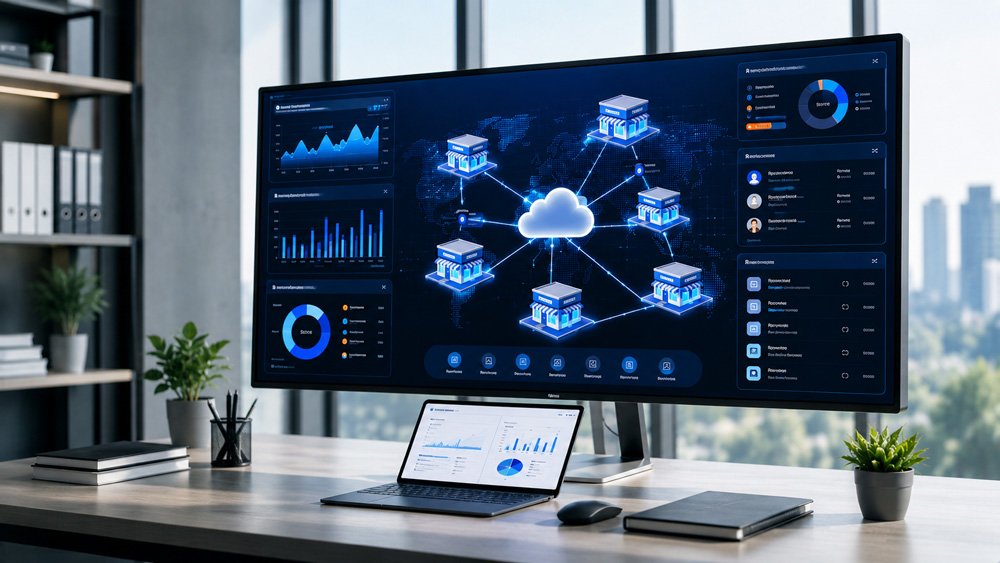
7. Multi-Store Management Made Easy
For businesses with multiple branches, managing operations manually becomes complex.
Cloud-based POS software allows owners to:
- Monitor all branches from one dashboard
- Transfer inventory between stores
- Compare branch performance
This centralized management system saves time and increases operational efficiency.
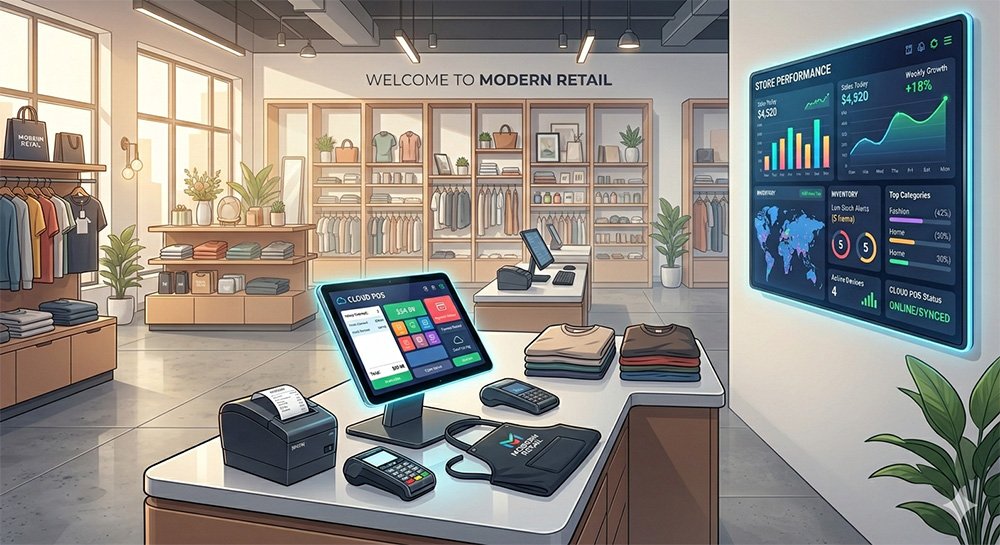
8. Access Business Data Anytime, Anywhere
Cloud POS systems allow remote access to business information.
Business owners can:
- Check sales reports from mobile devices
- Monitor inventory remotely
- Track business performance in real time
This flexibility improves decision-making and operational control.
9. Time-Saving Automation
POS software automates many repetitive tasks:
- Billing
- Inventory updates
- Sales tracking
- Report generation
This reduces manual workload and allows employees to focus on customer service and business growth.
Time saved through automation directly increases business efficiency.
10. Supports Business Growth
As businesses grow, manual systems become difficult to manage.
POS software provides scalability by allowing businesses to:
- Add more products
- Open new stores
- Handle larger sales volumes
A modern POS system grows with your business and supports long-term expansion.
POS software is no longer just a billing tool—it’s a complete business management solution.
By automating operations, improving accuracy, and providing real-time insights, POS systems help businesses operate more efficiently and profitably.
Whether you run a small retail shop or a large multi-store business, investing in a reliable POS software can save time, reduce costs, and improve overall performance.
If you want to stay competitive in today’s fast-moving market, implementing a POS system is one of the smartest decisions you can make.