Cloud POS vs Traditional POS: Key Differences Explained

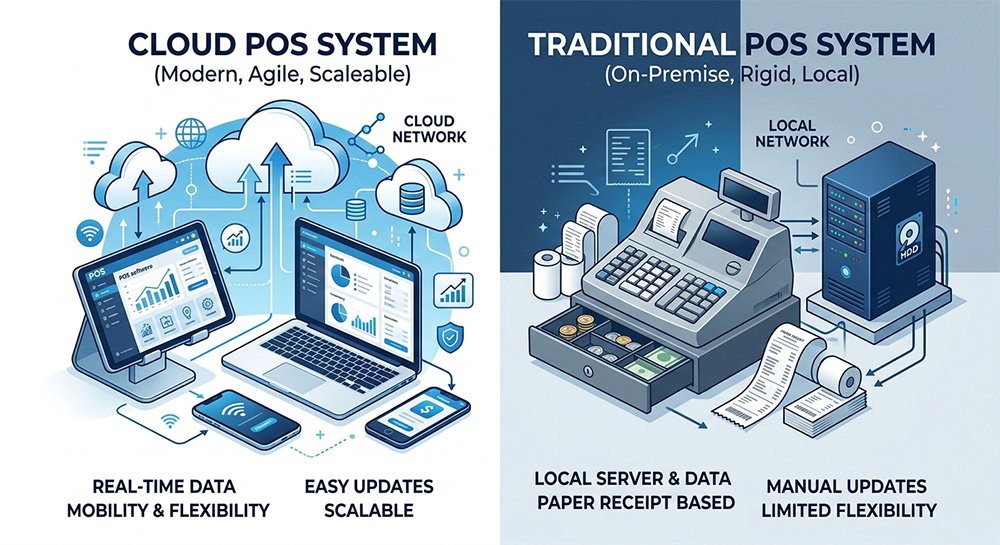
In today’s fast-changing retail environment, choosing the right POS (Point of Sale) system is critical for business success. Many business owners still rely on traditional POS systems, while others are shifting to modern cloud-based solutions.
But what is the real difference between Cloud POS and Traditional POS? And which one is better for your business?
Let’s break it down in simple terms.
What is a Traditional POS System?
A Traditional POS system is a locally installed software that runs on a single computer or local server inside your store.
It typically includes:
- Desktop software
- Cash register system
- Barcode scanner
- Local database storage
All data is stored on-site, meaning it is only accessible from that specific device or network.
Key Characteristics of Traditional POS
- Works offline (no internet required)
- Installed on local machines
- Limited remote access
- Requires physical maintenance
What is a Cloud POS System?
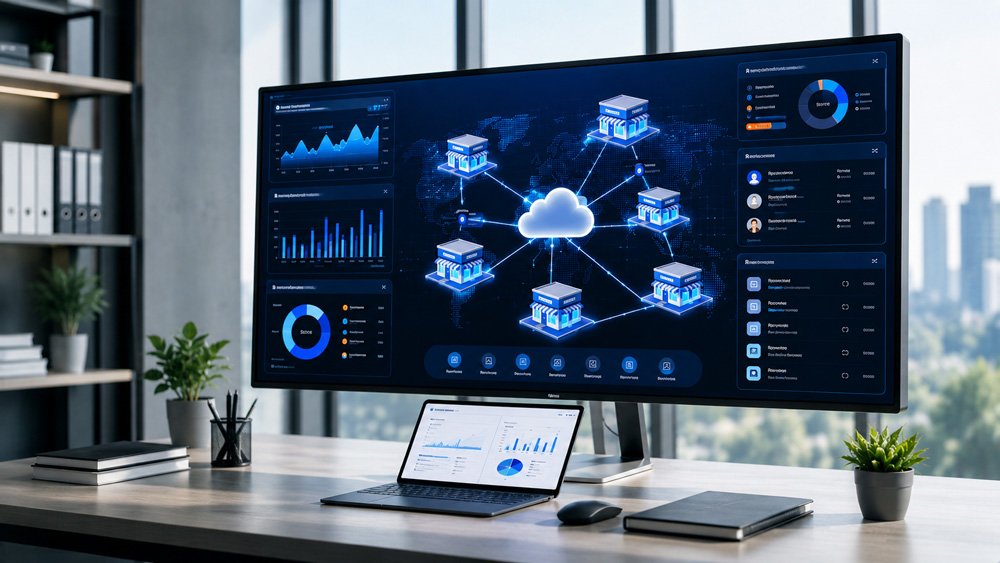
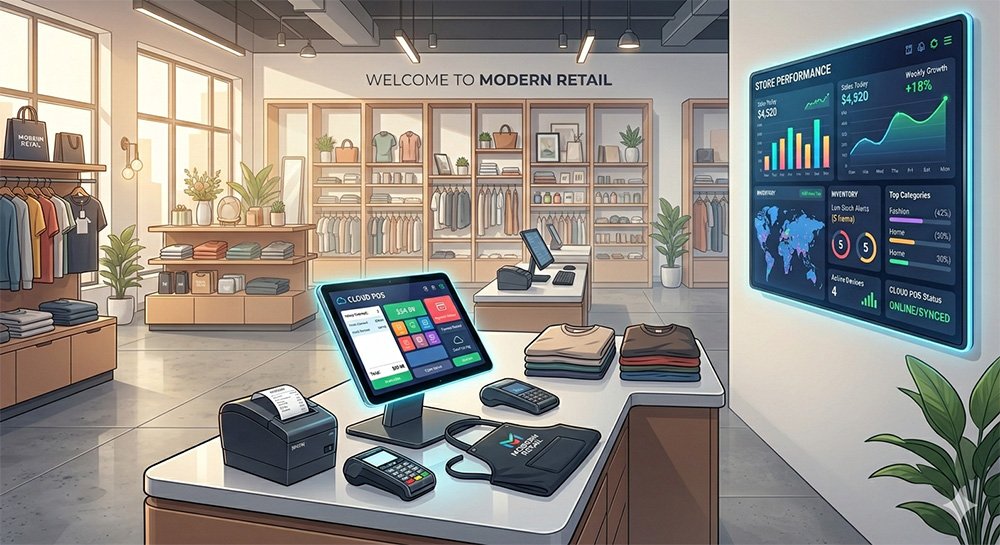
A Cloud POS system is a modern SaaS-based solution that stores data on remote servers (cloud).
This means you can access your business data from:
- Mobile phones
- Tablets
- Laptops
- Any location with internet
👉 Example: Modern systems like GPOS SaaS POS provide full cloud-based retail management.
Key Characteristics of Cloud POS
- Internet-based system
- Real-time data sync
- Remote access from anywhere
- Automatic updates
Cloud POS vs Traditional POS: Key Differences
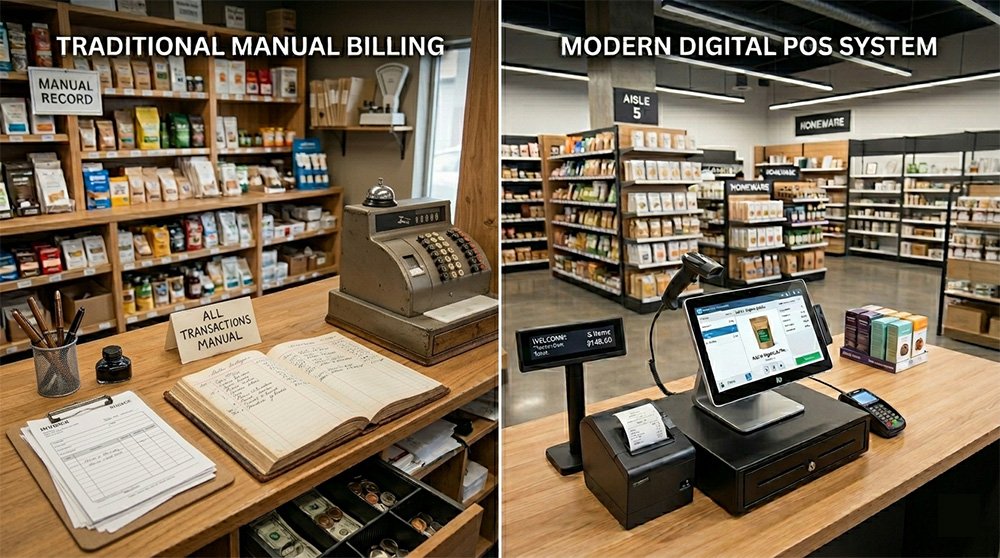
Let’s compare both systems side by side:
📊 1. Data Storage
- Traditional POS: Local computer/server
- Cloud POS: Secure cloud servers
👉 Cloud POS is safer and accessible anywhere.
🌐 2. Accessibility
- Traditional POS: Only on one device/location
- Cloud POS: Access from anywhere
👉 Cloud POS is ideal for multi-branch businesses.
⚡ 3. Speed & Updates
- Traditional POS: Manual updates required
- Cloud POS: Automatic updates
👉 Cloud POS always stays up-to-date.
🔐 4. Data Security
- Traditional POS: Risk of local data loss
- Cloud POS: Encrypted cloud backup
👉 Cloud POS reduces risk of permanent data loss.
💰 5. Cost
- Traditional POS: High upfront hardware/software cost
- Cloud POS: Monthly subscription (SaaS model)
👉 Cloud POS is more affordable for small businesses.
📦 6. Scalability
- Traditional POS: Difficult to scale
- Cloud POS: Easily expandable
👉 Cloud POS grows with your business.
📊 7. Reporting & Analytics
- Traditional POS: Basic reporting
- Cloud POS: Advanced real-time analytics
👉 Cloud POS helps better decision-making.
Advantages of Cloud POS Systems
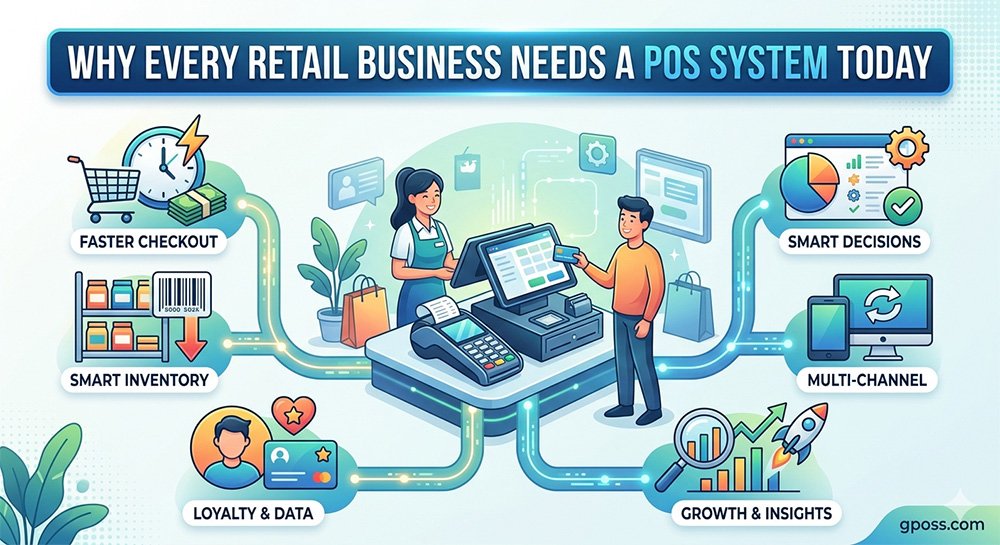
Cloud POS systems are becoming the industry standard because they offer:
- Real-time inventory tracking
- Multi-store management
- Mobile access
- Automatic backups
- Easy integration with accounting tools
👉 This is why modern businesses prefer SaaS solutions like GPOS POS Software.
Advantages of Traditional POS Systems
Despite limitations, traditional POS still has some benefits:
- Works without internet
- One-time installation cost
- Simple setup for small stores
👉 However, it lacks flexibility and modern features.
Which One Should You Choose?
Choose Traditional POS if:
- You run a very small shop
- You don’t need remote access
- You prefer offline systems
Choose Cloud POS if:
- You want to grow your business
- You manage multiple branches
- You need real-time data and reports
👉 For most modern retail businesses, Cloud POS is the better choice.
Why Cloud POS is the Future of Retail
Retail is becoming digital. Businesses need:
- Speed
- Flexibility
- Data-driven decisions
Cloud POS systems provide all of these in one platform.
👉 That’s why SaaS platforms like GPOS are rapidly replacing traditional systems.
The difference between Cloud POS and Traditional POS is clear:
- Traditional POS is limited and outdated
- Cloud POS is flexible, scalable, and future-ready
If you want to grow your retail business, reduce errors, and manage everything from anywhere, Cloud POS is the smart choice.